
Pump foiling
Explore this style- Power source
- Rhythmic body movement
- How you start
- Build initial speed from a dock or another suitable launch, then pump
- Where to ride
- Sheltered water with adequate depth and an authorised launch

FIND YOUR RIDE · FOILING
Body rhythm, wind, electricity, swell or surf. Follow the power source to understand each style.
Compare at a glance ↓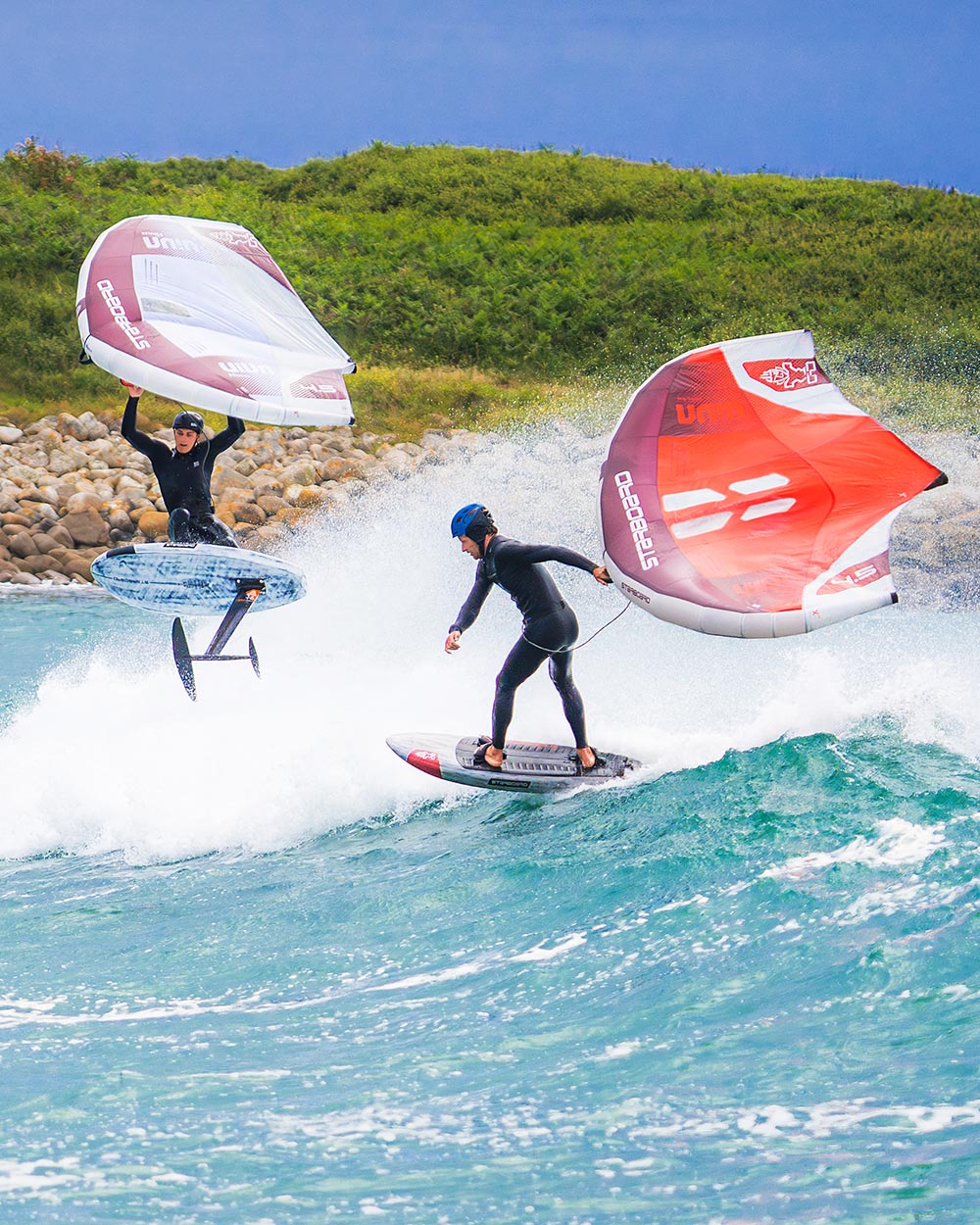
THE BIG PICTURE
A board rises clear of the water while the rider keeps moving. The foil beneath it makes that possible. A mast connects the board to an underwater wing, and lift generated as the wing moves through the water raises the board above the surface.
The simplest way to understand the disciplines is to ask where the forward motion comes from. Pump foiling uses body movement, wingfoiling uses wind in a handheld wing, and eFoiling uses an electric motor. On the sea, downwind foiling links moving bumps and swell, while surf foiling draws energy from waves.
These five styles are not a fixed learning sequence. Start with the places you want to ride and the experience that interests you. Windfoiling, kitefoiling and tow foiling offer other approaches, and a single ride may combine techniques such as riding a wave and pumping.

 01 / 05
BODY RHYTHM
Keep gliding with your own rhythm
Pump foiling keeps a glide going through body movement. A rhythm of leg movement and weight shifts controls the foil’s height and speed. Without a handheld wing or electric motor, attention goes to the connection between each movement and the board’s response.
The dock start often seen in videos creates initial speed from a launch point before the rider gets on and begins pumping. Early attempts may last only a few movements. The appeal is in gradually joining those short moments into a longer glide.
Focus on one launch and a few controlled pumps before chasing a long ride. Check the launch area and water depth before practising.
02 / 05WIND POWER
Hold the wind. Ride above the water.
Wingfoiling uses a handheld wing to turn wind into forward motion. As the board gains speed, the underwater wing generates lift and the board rises. Your hands manage the wind’s pull while your feet manage the board’s balance.
The first flight is an exciting prospect, but learning to handle the wing and travel in the intended direction comes before it. Begin with the wing’s response on land, practise going out and returning on the water, then add the feeling of riding on the foil.
Returning under control matters as much as the first flight. A foundation in steering and managing speed with the wing makes the next session more rewarding.
03 / 05ELECTRIC POWER
Discover foil balance with electric power
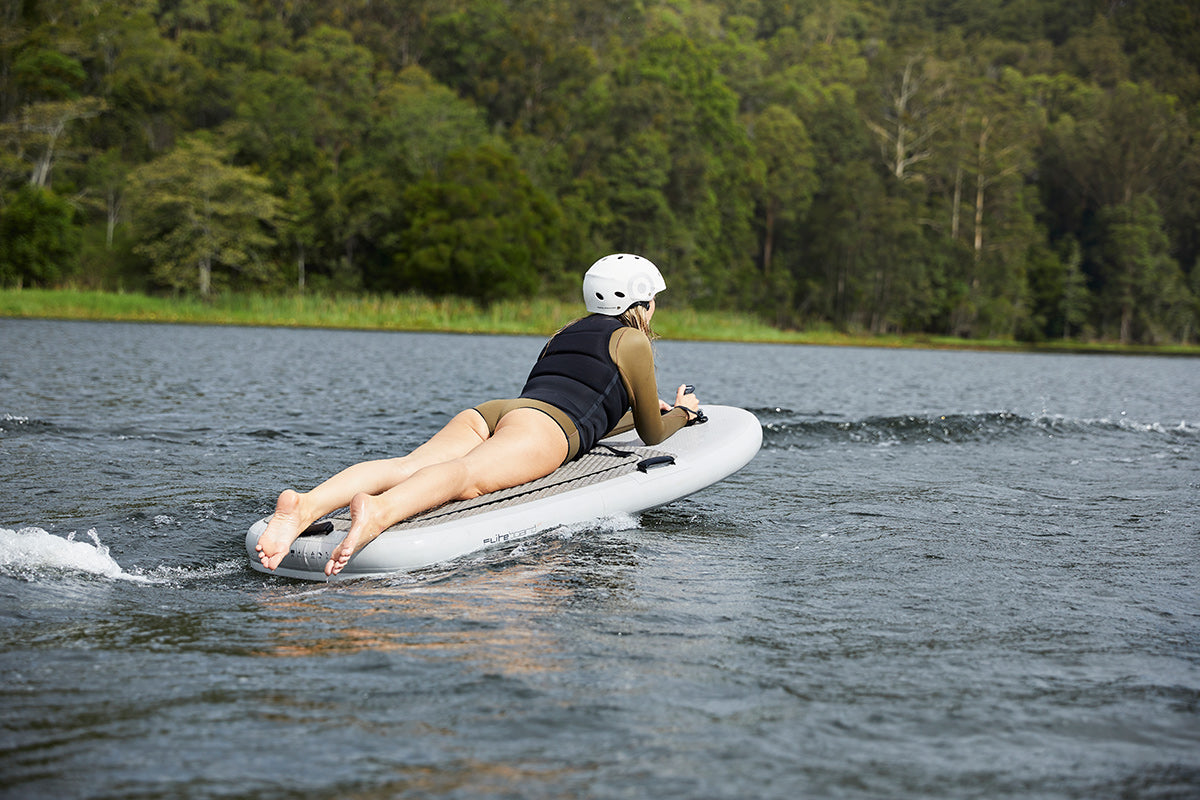
An eFoil builds speed with a battery and electric motor. A handheld controller adjusts the power while the rider learns to balance and rise above the surface. Its propulsion gives it a different starting point from sports powered by wind or waves.
The motor provides movement; the rider still manages balance. Begin in a low position, get used to changes in speed and progress towards standing before working on ride height. Learning to slow down and stop belongs in the first session alongside learning to start.
Use the first session to learn more than getting airborne: cover local riding rules, battery and propulsion checks, slowing down and stopping with the instructor.
04 / 05FOLLOW THE SWELL
Connect one swell to the next
Downwind foiling follows wind-driven bumps and swell, linking one moving patch of water to the next. Much of its appeal lies in keeping that connection going. The SUP downwind style described here uses a paddle to generate the speed needed to start.
Paddling the board up onto its foil is known as the paddle-up. Once airborne, the rider uses the energy in the water and pumping to continue. Alongside paddling and foil control, the discipline calls for reading wind and swell and planning the route between launch and landing.
The ride starts with the plan. Consider wind, swell, the landing point and how you will return before entering the water.
05 / 05WAVE ENERGY
Turn wave energy into a floating ride
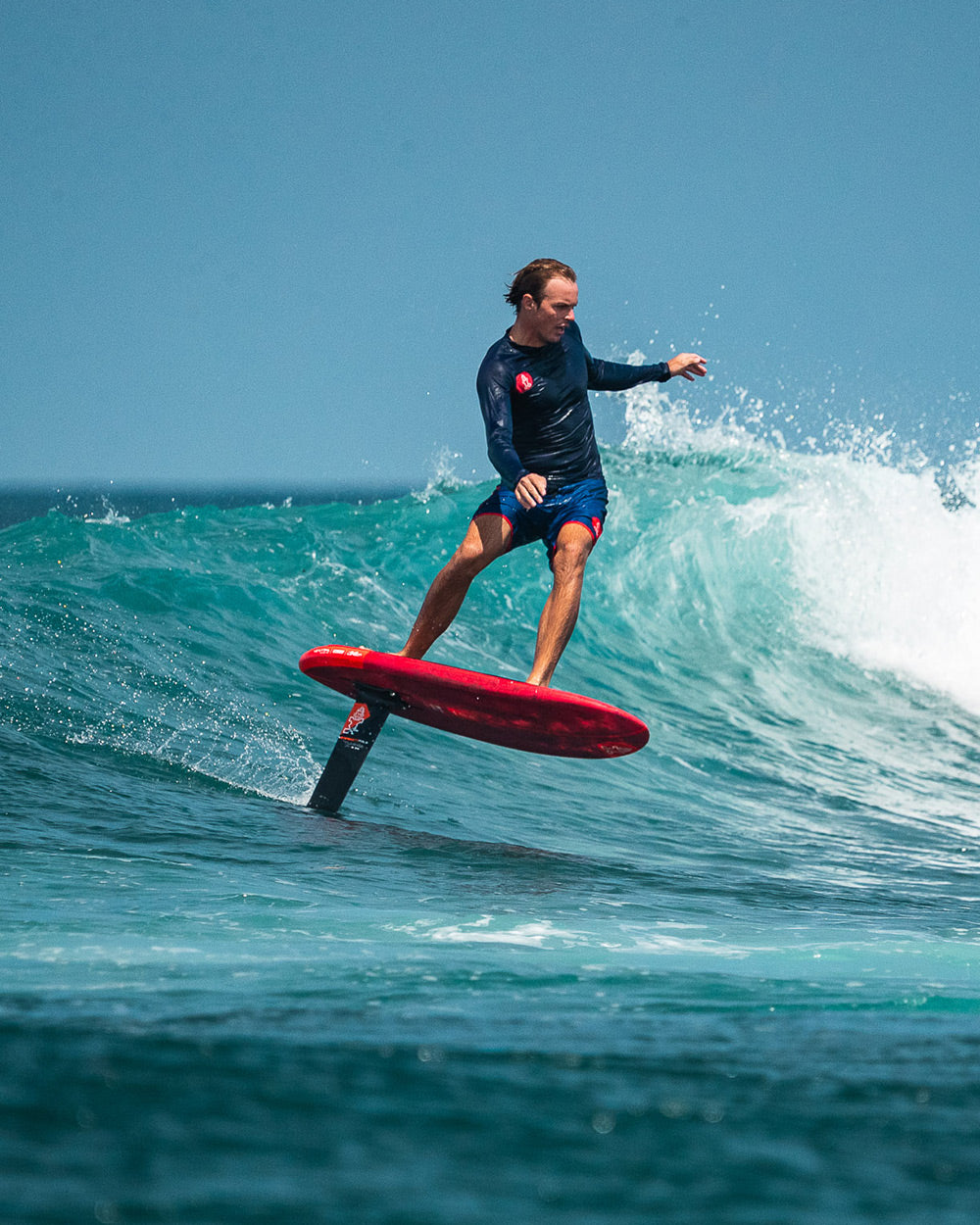
Surf foiling catches a wave and uses its energy to drive the underwater wing. Once the board lifts, the rider manages height and direction while following the wave. Two familiar approaches are prone foiling, paddling in by hand, and SUP foiling, using a paddle.
“Prone” refers to lying on the board to paddle. The start may look familiar to a surfer, but once the board rises there is an underwater wing to control as well. That is why managing foil height takes specific practice, even with previous surfing experience.
Surfing experience and foil experience are different. Learn the new balance on suitable waves with enough depth and room away from other water users.
YOUR NEXT STEP
Once a riding style catches your eye, explore the equipment and the skills to get started.